 Westwood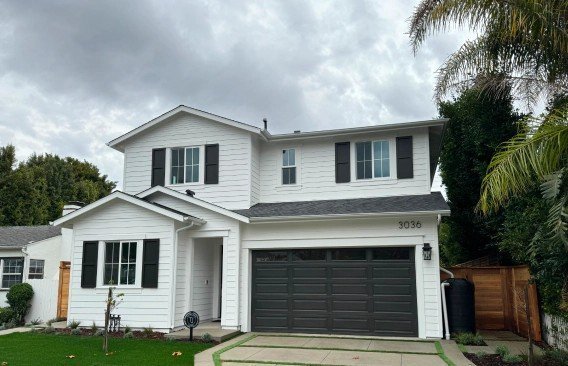



Local Painting Guide
Painting a Home in Westwood, CA
Older Homes, Big Trees, And Plenty Of Sun
Looking at painting bids for a Westwood house can feel confusing at first. One number comes in low, another sits higher, and the difference usually has less to do with the brand of paint and more to do with how the crew plans to handle the architecture and the light.
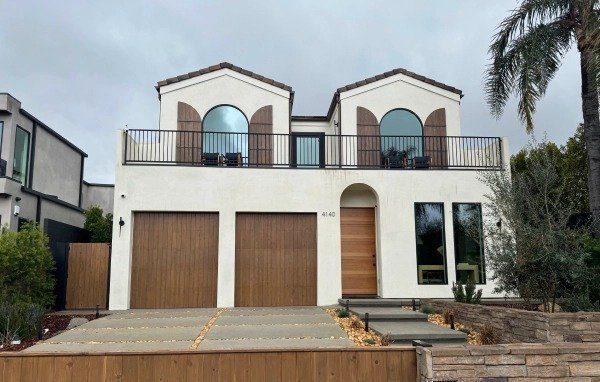
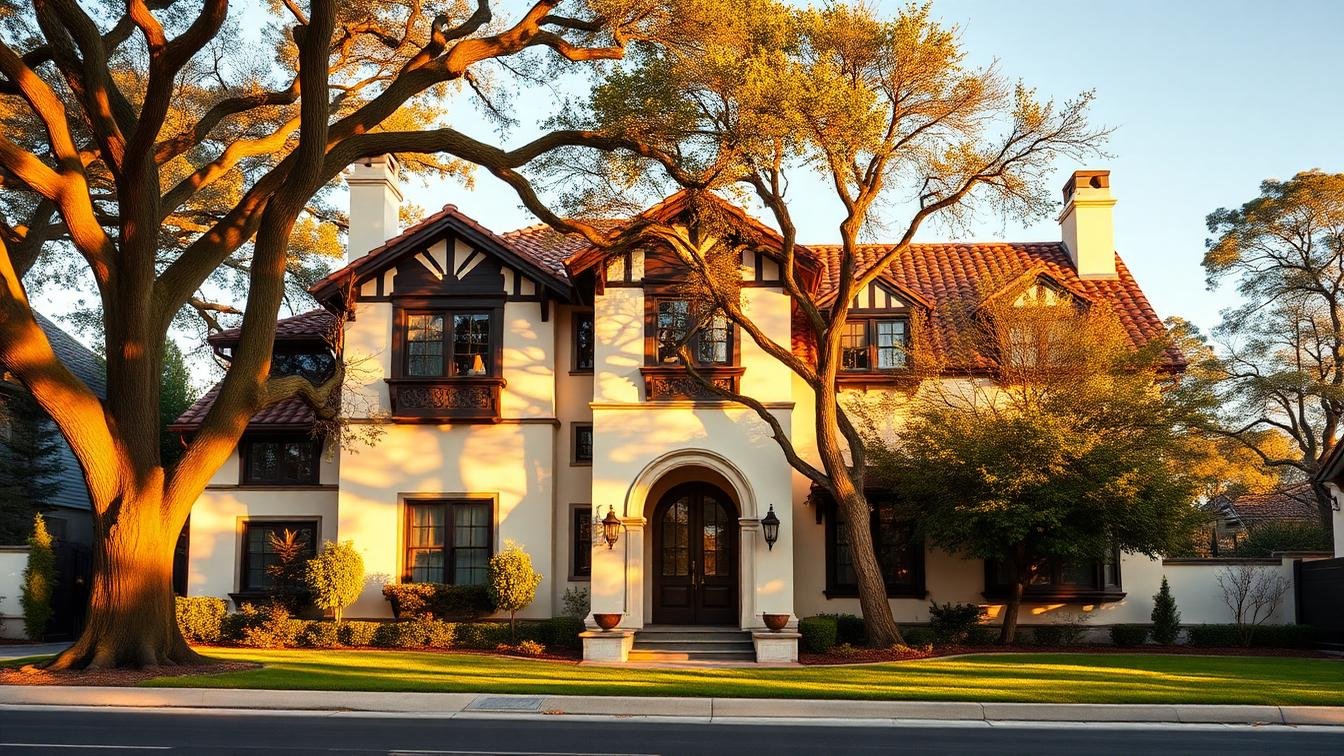
Westwood homes are a mix. Little Holmby and the streets around Holmby Park have solid period revival houses, Spanish Colonial, American Colonial, Tudor, with deeper lots, mature trees, and lots of original wood trim, shutters, and decorative details. Comstock Hills feels similar but a bit tighter. South of Wilshire you see more variation, including smaller lots and some mid-century places. Near the Village and campus, multi-family buildings and courtyard apartments are common. The Wilshire Corridor is its own world of high-rises, but the single-family blocks are where most of the detailed exterior work happens.
Because this part of the Westside sits inland of the 405, salt air is not the main enemy. UV is. South and west walls take a steady beating from the sun, so those elevations fade and chalk faster than the shaded ones. Trees help on some sides but create their own issues: dappled light that makes color matching tricky, leaf litter that sits in gutters and on ledges, and roots or low branches that limit ladder placement.
What Actually Breaks Down First
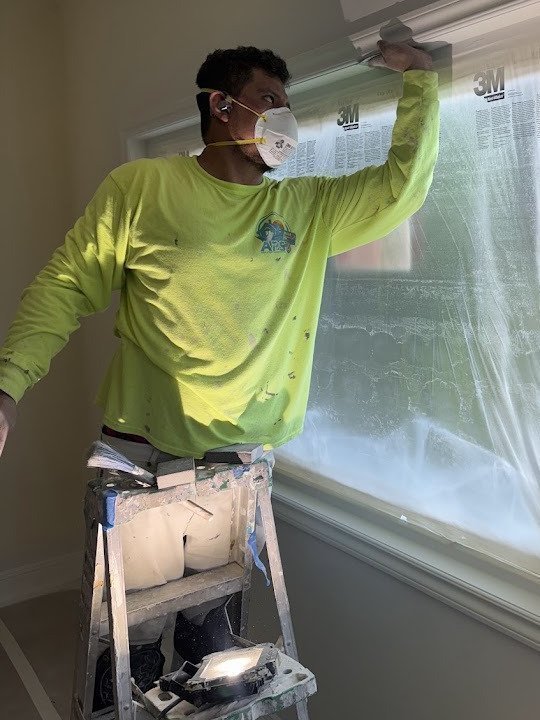
On these older houses the big flat stucco walls usually hold up. The trouble shows up in the details. Window sills, door bottoms, shutters, exposed rafter tails, wood fascia, and any decorative molding take the worst of the weather and the sun. Caulk joints open up. Paint peels at the edges of trim. Soft spots appear in wood that has been baking for decades. A good estimate includes probing those areas and fixing them instead of just rolling over the problem.
Washing still matters, even without ocean salt. Dust, pollution from the freeways, and years of buildup need to come off cleanly or the new paint will not stick the way it should.
Working Around Trees, Traffic, and Campus Life
Many Westwood streets are quiet and tree-lined, which is nice for living but slower for painting. Scaffolding or lifts sometimes have to snake around mature oaks or liquidambars. Parking can get tight near UCLA, especially during the school year, so crews that keep the vehicle count low and communicate about street space make the job less disruptive.
Interiors in student-adjacent buildings or multi-unit properties often need to be phased so people can keep living there. Full exteriors on a typical two-story period home usually run one to two weeks once prep is done, depending on how much repair work turns up. Weather delays here are more about heat or rare rain than afternoon marine layer.
Why Bids Differ So Much
The gap between a cheap bid and a solid one is almost always in the prep and the details. One crew might plan two coats over lightly scraped surfaces. Another plans real repairs to soft wood, proper priming of bare spots, careful cutting around the original moldings, and extra attention to the sun-exposed sides. Those are different scopes even if both say "exterior paint."
On historic-feeling blocks in Little Holmby or Comstock Hills, keeping the character intact matters. Colors that suit the style, clean lines on the trim, and not covering up the architectural features are part of doing the job right. Samples on the actual house, looked at in morning and late-afternoon light, help avoid surprises once the sun hits the finished walls.
Westwood rewards painters who slow down for the woodwork and the sun exposure instead of treating every house like a flat stucco box. That is usually where the real difference shows up a few years later.