
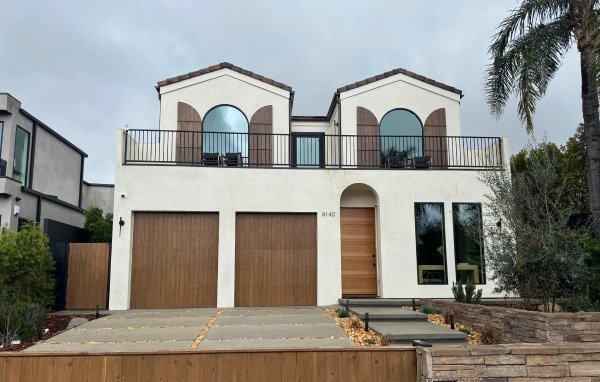
Older character meets everyday city living
Mid-City House Painters in Santa Monica
Original plaster beside a remodeled kitchen. Old trim next to new doors. Bring the finishes together without treating every surface as new drywall.
Hiring Mid-City house painters in Santa Monica starts with a question: which parts of your home are original, and which came with the last remodel? This central neighborhood mixes older houses with multifamily buildings and later renovations. A small home's walls can carry several kinds of work beneath one color. The painting plan should make sense of them before anything gets covered.
The Santa Monica Conservancy describes the 11th Street Bungalow Historic District as a surviving group of Mid-City single-family homes with Craftsman, late Victorian cottage, and Spanish Colonial Revival styles. Those homes are a reminder that Mid-City isn't one building type. Older wood details and plaster may sit just a few steps from much newer finishes.
Which surfaces need to match, and which should stay distinct?
Start by walking the rooms in the order you use them. Look from the entry into the living space, then toward the kitchen or hallway. Where an opening connects old and new rooms, decide whether the color should continue or stop at a natural break. One consistent wall color can bring a remodel together without hiding every architectural difference.
Here's a hypothetical Mid-City situation: a homeowner has new kitchen drywall beside a living room with older plaster and broad wood casing. Both walls are being painted the same shade. Unless the texture and sheen are reviewed first, the newer wall may look smooth while the old patchwork stands out. The sample needs to answer more than a color question.
On Spanish-style homes, quieter wall colors can let arches and textured surfaces do the work. Craftsman interiors may benefit from colors that sit comfortably beside existing wood. Test under your own lamps and beside the floor finish. Keep unpainted wood out of the scope unless you've deliberately chosen to change it.
What belongs in the repair allowance?
Name plaster and drywall separately. A crack, loose plaster area, raised seam, or old patch needs assessment rather than the same filler everywhere. Ask whether the proposal includes spot repairs, texture blending, or wider smoothing. These choices affect both the price and what you'll see when sunlight crosses the finished wall.
Doors, casings, and window trim need their own inspection. Older glossy coatings may require cleaning and adhesion prep before a new finish. Check door movement before adding another coat. On the outside, stucco patches should match the surrounding texture, while failing wood joints need sound repair before primer.
Before disturbing older coatings, discuss possible lead and any qualified assessment or regulated work required. Stained or soft surfaces also need the moisture source checked. A painter's cosmetic allowance shouldn't quietly stand in for plumbing, structural work, or repairs that require another trade. Put those limits in writing.
How will the repaint fit a lived-in central neighborhood?
Mid-City's mix of houses and shared buildings makes access part of the job. A driveway may serve more than one home, and a narrow path may be the only route to a rear entrance. Agree on parking, deliveries, material storage, and daily cleanup without blocking someone else's access.
Inside, choose where furniture will wait and which room must stay usable. For a multilevel or shared property, check building rules and protect the route to the work area. Work hours, repair dust, and ventilation need a realistic conversation. Low odor doesn't remove the need to discuss sensitive occupants or pets.
At handoff, view connected rooms together rather than checking each paint sample in isolation. Look at repaired surfaces, original trim, and the boundaries between new and untouched work. A written room list, agreed repair standard, and saved coating labels give your Mid-City home refresh a clear finish line.
Mid-City questions about old and new finishes
Why do my remodel walls look different after painting?
New drywall and older plaster can differ in texture and absorption. The same paint color won't erase those differences. Review repairs and primer needs before choosing the final finish.
Can original wood trim stay unpainted?
Yes, list it as a protected surface in the scope. Masking and prep should account for its existing finish. Painting or refinishing that wood is a separate decision.
Should I smooth all the plaster in my older home?
Only if that is the result you want and the surface condition allows it. Some homeowners prefer to keep the original texture. Ask for repair options rather than assuming complete smoothing is part of a repaint.
How can I tie a new kitchen into the older rooms?
Review the view through connecting openings. A shared color or a natural stopping point can make the transition feel intentional. Compare samples against the older trim and the new cabinets together.
What if the driveway is shared with another home?
Agree on delivery and staging locations before work starts. Keep the other home's route open and discuss any building instructions. Access restrictions should be part of the scheduling conversation.
Will a walls-only price include doors and ceilings?
Not unless the estimate says so. Ask for each surface to be named along with repair and protection details. Comparing the same scope makes contractor prices easier to judge.
Tell us what stayed original and what changed
Share photos of older walls, trim, and remodeled rooms with Anaya's Painting. We'll discuss a written estimate for your Mid-City interior repaint and exterior finish work, with surface differences and repairs named before scheduling.
Plan my Mid-City house painting