
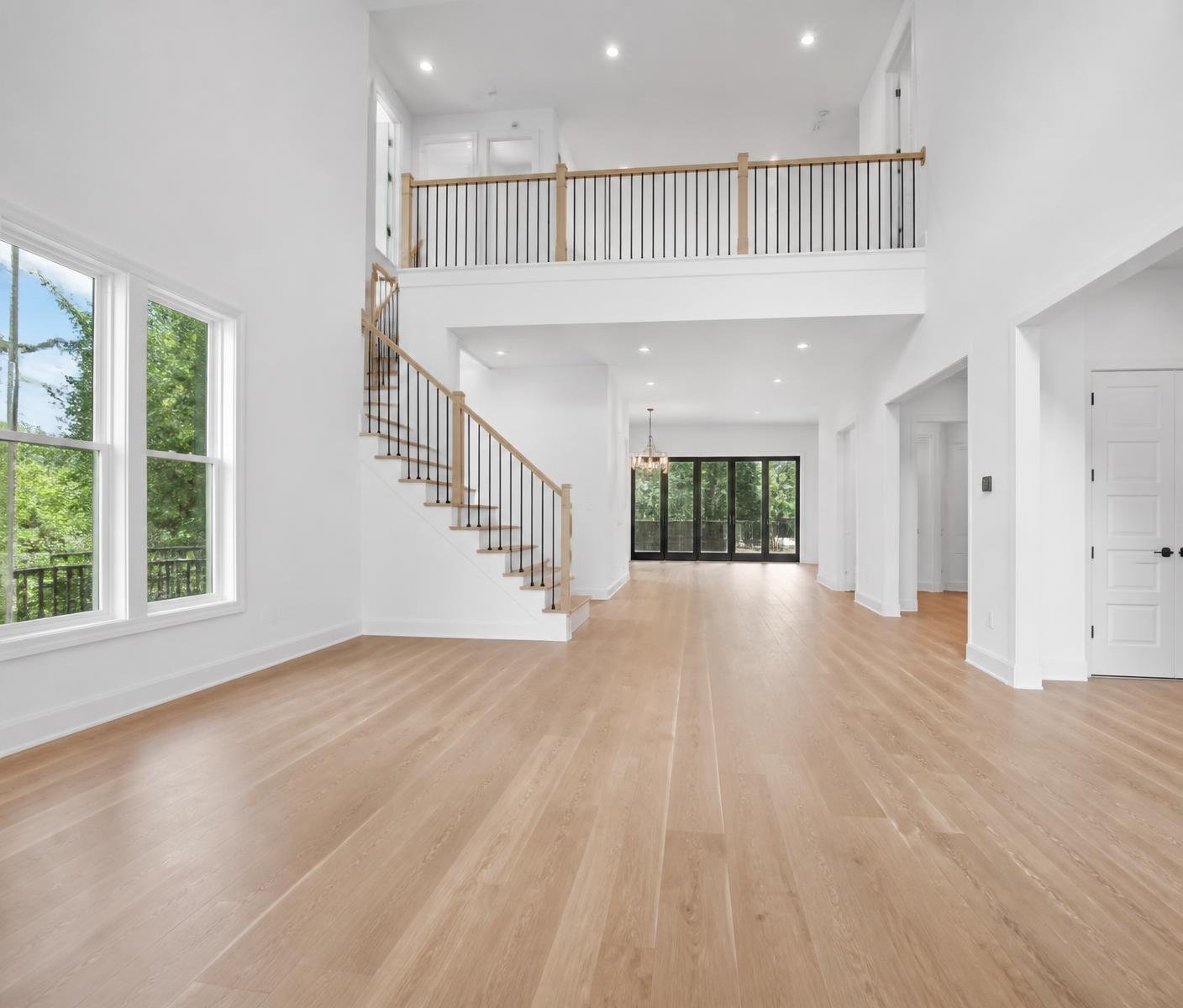
Sheen and samples before production
House Painters in Huntington Palisades
On an estate-scale rebuild, start with a written finish decision register: room-by-room sheen, millwork sample approvals, and protection notes, all set before production painting starts.
House painters in Huntington Palisades should open a rebuild with a finish decision register already in hand. You, your designer, and your general contractor need sheen by room, millwork sample approvals, and a note on stone and floors that are already in and off limits. That's what production follows.
Homes from Santa Monica through Pacific Palisades live with the same coastal wear. Morning marine layer, salt air, hard afternoon sun, dry Santa Ana winds in fall, and a wet winter stretch all work on exterior coatings. Inside, the job is surface repair, sharp masking, clean lines, and floors that stay covered until handoff.
Start with a finish decision register
Here is the fix, named up front. Before a brush, roller, or sprayer comes out, write a finish decision register the owner, designer, and GC can all read. Each line names the room, the surface, the sheen, the sample status, and what must be protected.
Keep it in one shared place. Satin on the library built-ins and flat on the tall walls both belong on that page. If a sample is still open, mark it open, and don't start that room.
- Room and surface, named the way the plans name them
- Sheen call, with who approved it
- Millwork sample: approved, revised, or still open
- Protection note for stone, flooring, and glass
Lock sheen with mockups in real light
Huntington Palisades houses take hard afternoon sun on some faces and sit in marine layer on others. A finish that looks quiet in the morning can flash by midafternoon on a long wall.
Mock up on the real wall, or on a board held in that room, and look in morning and afternoon light. Do this before you approve a whole floor. A library, a stair hall, and a kitchen with stone and glass rarely want the same sheen.
You might be asking a fair question. Do we really need a separate sheen call for every room, or can one eggshell cover the house? Most rooms can share a family of finishes. Raking light, dark millwork, and big flat walls usually need their own mockup.
Approve millwork samples before production
Millwork is where a rebuild gets costly to redo. Doors, casings, built-ins, and stair parts need an approved sample in the light of the room they will live in. Look at the grain, the fill, and how the sheen sits on the edge.
Here is a hypothetical. Picture an estate rebuild in Huntington Palisades with the stone set, the floors down, and three millwork samples on a windowsill. The GC is waiting on a go-ahead. Pick the sample, write it on the register, and don't roll walls around an open call.
Label rejected samples so the wrong board doesn't get used. Approved samples stay with the register, and production matches that decision.
Protect stone and floors that are already in
Once stone, flooring, and glass are installed, the painting plan changes. Floors get a cover you can actually walk on, not a loose sheet that slides. Stone edges, hearths, and thresholds get masked so paint can't creep into the joint. Pull masking before afternoon sun bakes it on.
Surface repair still happens, with more care around finished rooms. Hairline stucco cracks, filled nail holes, and sanded patches should disappear under the coat. Clean lines at casing, ceiling, and base are the point of the prep, and an accepted room stays closed until the walk.
Hand the punch list back to the register
Handoff works better as a planned walk, not a surprise the day the furniture truck shows up. The register you approved at the start becomes the list you walk. Each open item names the room, the surface, and what done looks like. Touch-ups use the same sheen and the same sample.
Walk that list with the designer and the GC. Open lines stay open, and accepted lines get marked. That walk is how a Huntington Palisades rebuild closes the finish phase on decisions you already made.
When those calls are on paper, the useful next step is a written finish scope from your selections and plans. It should name approved finishes, open mockups, and how stone and floors stay protected during the coat.
Finish questions before production starts
Why does a rebuild need a finish register before painting?
Sheen, samples, and protection notes change the work in every room. The owner, designer, and GC should see the same calls before production. Open items stay open until someone approves them.
Do I really need millwork samples approved in the room?
In Huntington Palisades, afternoon sun and morning marine layer don't match shop light. Approve the sample where the piece will live. Then write that call on the register so production has one board to match.
What should I do if stone and floors are already installed?
Mark those areas on the plans you send, and call them protected. Coverings, masking, and walk paths belong in the written scope. Painting in those rooms waits until that protection is actually down.
Is it normal that one sheen will not fit the whole house?
It depends on the light and the surface. Flat walls, dark built-ins, and stair halls often want different sheens. Mock the hard rooms, then lock the winners before production.
How can I prevent handoff arguments in Huntington Palisades?
Most folks on a rebuild do better when the walk follows the register they already signed. Mark each line accepted or still open while the designer and GC are in the room. Touch-ups should match the approved sample.
Who should approve sheen, the owner, the designer, or the GC?
Have the designer propose, the owner approve, and the GC sequence the work. The painter shouldn't invent a sheen to keep a room moving. Put the approval on the register before that room goes into production.
Send finish selections and plans
Send your finish selections and plans through the contact page so Anaya's Painting can write a finish scope around sheen calls, millwork samples, stone and floor protection, and punch-list ownership.
Request a written finish scope