
Access before the color card
House Painters in Castellammare
On a steep Castellammare lot, a written elevation and access map should come before any coating.
House painters in Castellammare treat the approach as part of the finish. Steep coastal lots, hillside balconies, and multi-level elevations decide where a crew can stand and which faces can be coated that morning. A narrow street can limit staging as much as a tall fascia. Lock access before you lock a sheen.
The same marine layer that hangs over Santa Monica often lingers on these Pacific Palisades slopes. Salt air, afternoon sun, fall Santa Ana winds, and a wet winter stretch all stress coatings. Those conditions still need a plan for people, gear, and wash water.
Read the slope before the sheen
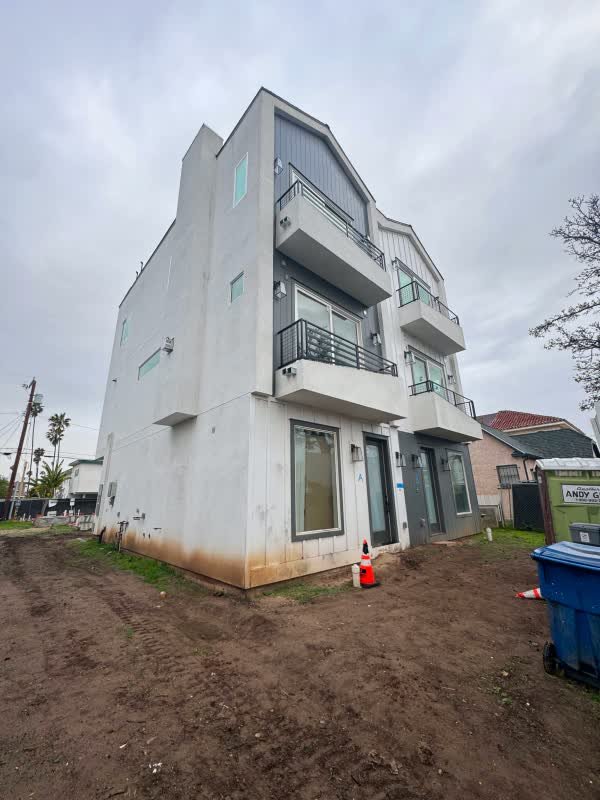
Color cards are the easy part. Reaching an ocean-facing soffit without blocking a drive is the harder one. Street side and view side are often different jobs here. One face may be a short reach from a protected path. Another may stack balconies over a drop, with deep eaves a ladder can't honestly cover.
Walk the lot and write three answers. Where does the crew enter without crossing a neighbor's steps? Which elevations take salt first? Which faces stay damp after the marine layer lifts? Designers timing interior work need the doors that stay usable. Builders need the face that can be staged without the only turnaround.
Map each elevation before pricing color
Ask for a written map, not one lump price with a color name on it. Each elevation should name the reach, the masking, the surface repair in the painting scope, and what another trade must handle. Call out protection for decks, floors, and planted edges. Clean lines at rails and window returns belong on that page.
Qualified people should judge scaffold and lift suitability. Slope, overhead clearance, bearing at the ground or deck, and street width all change the call. A photo from the curb can start that talk. It can't decide that a machine fits. If the lift is a poor fit, name another reach or mark the elevation as waiting.
- Where a vehicle may pause without blocking neighbors
- Reach, masking, surface repair, and exclusions per face
- Exit stairs and balcony doors that stay open
- Wash path so rinse water misses the next house
Order the crew around damp and salt
Salt has to come off, but rinse water can't simply be sent downhill. Plan containment and collection before washing, following local runoff requirements. Wash upper surfaces before finishing the deck below so dirty water doesn't land on a new coat.
Here's a hypothetical for Castellammare access. Picture a three-level home on a narrow street, with stacked ocean balconies and a tight shared edge. The owner wants every elevation coated before late-summer guests. The lower deck ledger has dark staining and a soft spot at one hanger. A qualified repair professional sees that first. The map holds that elevation, keeps the exit stair clear, and coats sound faces only after a moisture check.
You might ask a fair question. Can a crew wash upper fascia from a ladder in the morning and coat it that afternoon? On these slopes, often no. Marine layer moisture and a salt rinse both need time to leave. Sun may dry one face while a shaded balcony stays cool and damp. Sequence by the surface, not by a lunch deadline.
Hold bad structure, then stage the rest
Hairline cracks and tired caulk can sit in prep. Active water intrusion can't stay in a painting scope. If rain already enters at a ledger, a roof-to-wall joint, or a window, call a qualified repair professional first. Corrosion on a structural ledger is the same stop. Don't expect ordinary exterior paint to waterproof a wall or to provide wildfire protection.
Keep the street workable while sound faces wait on a moisture check. Use a short staging window. Hoses and boards stay off the walking line, and a shared exit stair stays open. Wind off the water, and Santa Ana afternoons, can lift loose plastic, so tape dry surfaces and check lines before coating.
Compare bids by the reach on every face and the hold points for damp or open repairs. A hillside painting scope that shows those choices is easier to trust than a flat-lot allowance. Santa Monica houses and these Pacific Palisades slopes don't set up the same way.
Questions before a hillside scope
Why does access change the price more than the color on a Castellammare elevation?
A single price often hides the hard faces. The map shows reach, staging, wash path, and waits. Compare those facts, not a color name.
Do I really need ocean-facing and street-access photos?
Yes, if the scope should match this lot. Ocean-side shots show balconies and water travel. Street shots show staging room and neighbor access.
What should I do if a balcony ledger looks soft or stained?
Call a qualified repair professional before coating. A soft hanger is outside a painting scope. Sound faces can wait on the map.
Is it normal that morning fog delays a wash up here?
It depends on how long the face stays damp. Salt rinse over morning moisture keeps it wet. Waiting is a normal sequencing step here.
How can I prevent wash water from reaching the house below?
Plan containment and collection before washing. Don't discharge rinse water toward neighboring property or storm drains. The site walkthrough should identify where runoff can be managed under local requirements.
Who should decide if a lift or scaffold fits my slope?
Qualified people should decide that on site. Slope, bearing, clearance, and street width all matter. Photos start the talk, but they don't finish it.
Request an elevation-by-elevation prep scope
Use the contact page to ask Anaya's Painting for a written prep scope, and include ocean-facing and street-access photos so each elevation can be planned for reach, wash control, and sequencing.
Request a written scope